Nigeria at a Crossroads: Challenges and Realities Under President Tinubu (2023–2025)
Since Bola Ahmed Tinubu assumed the presidency in May 2023, Nigerians have faced a period of profound uncertainty. While policies aim to stabilize the nation, the reality on the streets, in markets, and in homes paints a more immediate story of struggle, resilience, and hope.
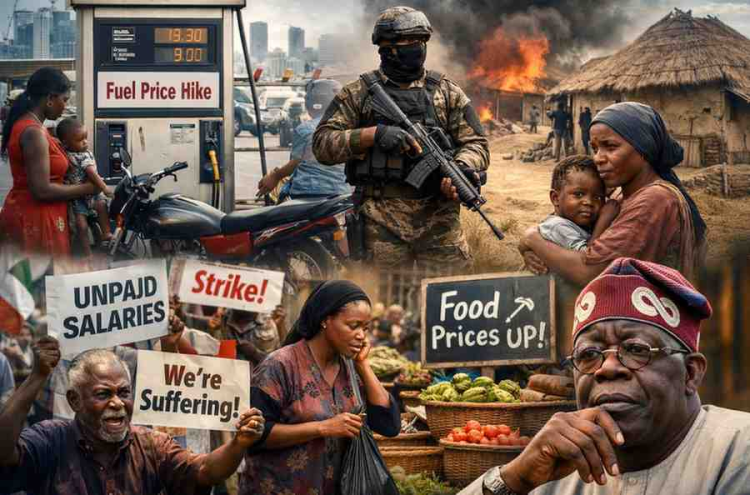
Here, we hear from everyday Nigerians navigating life under these challenging circumstances.
1. Economic Strains That Touch Every Home
Fatima, a mother of three in Lagos, recalls the day fuel prices jumped sharply:
"I had to choose between filling my motorcycle fuel tank or buying food for my children. It shouldn’t be this way, but every naira counts now."
Small business owners like Emeka, who runs a roadside food stall in Abuja, describe similar pressures:
"The price of tomatoes and vegetables has doubled. Customers buy less, and yet my suppliers expect the same rates. Some days, I worry if I’ll break even."
The removal of fuel subsidies and adjustments in the currency exchange rate have ripple effects that touch millions of families - what policymakers see as economic reform is experienced by citizens as tightened budgets, skipped meals, and rising worry.
2. Living with Security Concerns
In northern Nigeria, Aisha, a farmer from Kaduna State, has been forced to abandon her farmland due to armed banditry:
"We used to grow enough to sell and feed our family. Now, we hide in our homes. Every sound at night makes us afraid."
Security forces have stepped up interventions, but the challenge is persistent. Community leaders express frustration that while policy plans exist, implementation is uneven, leaving ordinary citizens feeling vulnerable in their own neighborhoods.
3. Fiscal Pressures and Governance Challenges
Government employees have also felt the pinch. Mr. Okonkwo, a civil servant in Enugu, recounts months of delayed salaries:
"We are told reforms are happening, yet families can’t pay rent or school fees. It feels like we are paying the price for mistakes we did not make."
From unpaid salaries to policy confusion in key sectors like oil and gas, governance challenges have translated into very real hardship, shaping public trust in institutions.
4. Everyday Realities of Social Strain
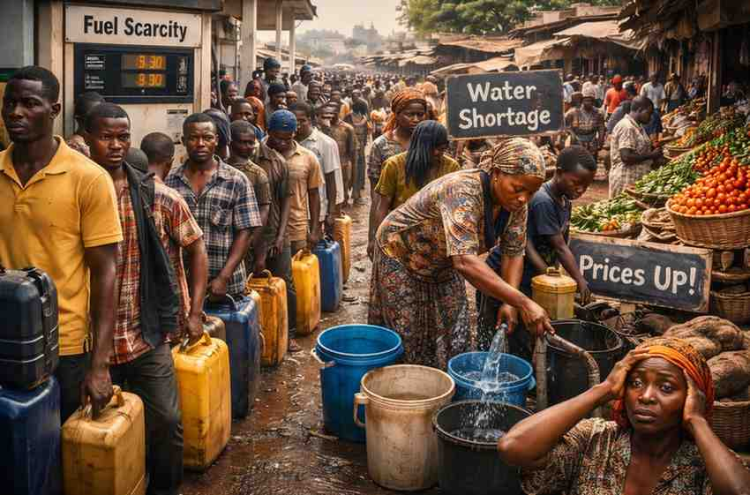
Poverty, unemployment, and food insecurity remain widespread. In Lagos markets, vendors and shoppers alike describe difficult trade-offs:
"I earn less each day as prices rise," says Chinwe, a vegetable seller. "My children sometimes go hungry so that I can sell enough to pay rent."
Strikes and protests have become frequent, reflecting collective frustration - but they are also a reminder of Nigerians’ resilience and desire for a better future.
5. Bridging Perception and Reality
While the government points to macroeconomic improvements, the voices of citizens reveal a more nuanced picture. Nigerians want to feel the impact of reforms: safer communities, reliable incomes, and accessible services. Bridging this gap between policy and everyday life remains one of the country’s greatest challenges.
Looking Ahead
Nigeria stands at a pivotal moment. The path forward requires more than economic metrics - it demands listening to citizens, addressing daily struggles, and translating reforms into tangible improvements. Amid uncertainty, the resilience of Nigerians shines through, offering hope that meaningful change is possible.
Fatima, Emeka, Aisha, Mr. Okonkwo, and Chinwe’s stories are real experiences that illustrate the human face of national challenges under President Tinubu’s administration.